There is much lore to the people and neighborhoods of San Diego, but Clairemont, Linda Vista, Serra Mesa, Kearny Mesa, Bay Park, and Bay Ho have some of the best gems. From famous residents to famous businesses, our neighborhoods have it all.
You may know some, or even many, of our local neighborhood stories, but a few might surprise you.
Bay Ho gave the world Costco
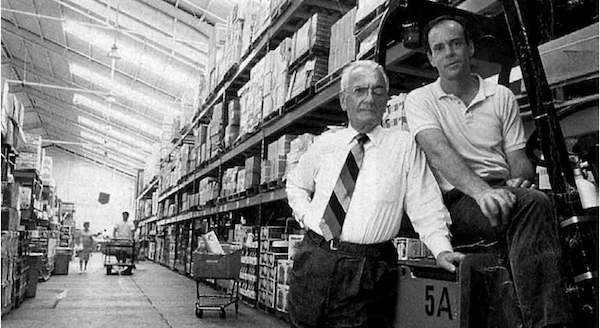
The very first Price Club, the membership warehouse store that eventually became San Diego’s beloved Costco, opened on Morena Boulevard in Bay Ho on July 12, 1976. Founder Sol Price basically invented the whole warehouse-club model right here in our backyard, and the idea caught on so well that it reshaped how the entire country shops.
Fun fact about the building that housed Price Club? It was a former manufacturing building once owned by none other than Howard Hughes.
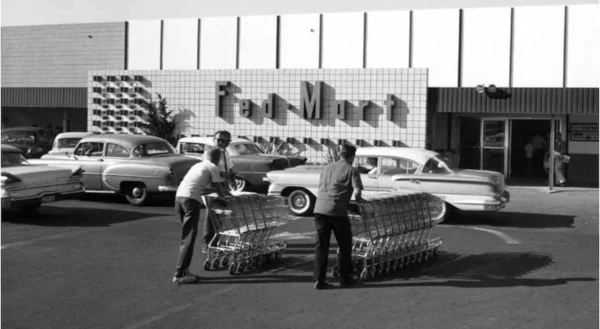
Another fun fact many longtime locals already know? Prior to starting Price Club, Sol Price founded FedMart, another membership chain. Many stores rebranded to Target stores.
Bay Ho’s champion son
Bay Ho also raised a sports legend. Marty Smith, a San Diego native and three-time AMA National Motocross Champion in the 1970s, was a local who lived near Cadman Park. Marty was one of the most popular racers in the country during his heyday, a hometown hero in the truest sense.
Bay Park’s Hall-of-Fame roster of famous neighbors
For a quiet little neighborhood east of Mission Bay, Bay Park has produced a remarkable number of famous faces. Arguably the most legendary? Jim Morrison. Before he was the lead singer of The Doors, a young Morrison lived in Bay Park in the mid-1950s and attended Longfellow Elementary School from 1953 until he graduated sixth grade in 1955.
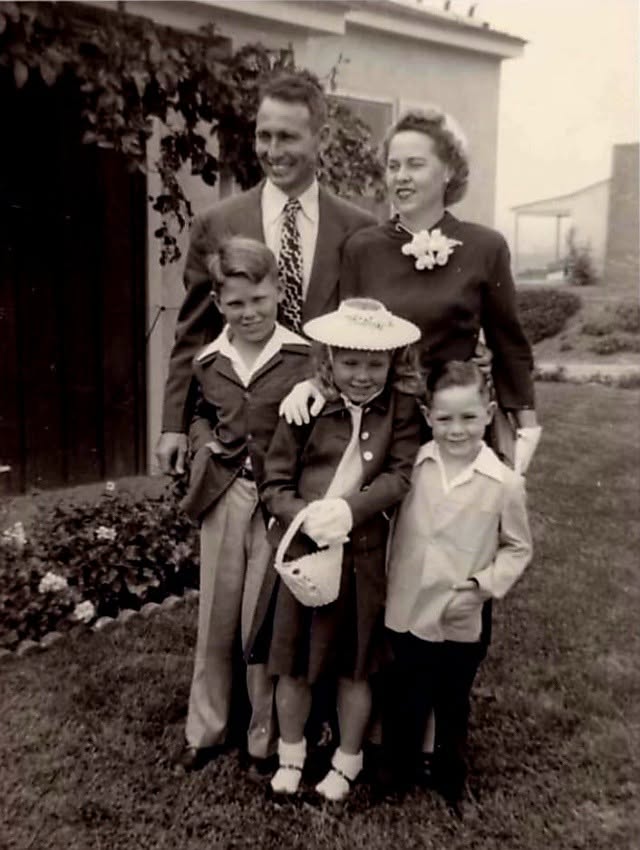
And he’s far from the only one. Rex Pickett, who wrote the novel Sideways that became the Oscar-winning film, grew up here. So did Stephen Pearcy, lead singer of the ’80s metal band Ratt. And screen icon Raquel Welch attended Bay Park Elementary as a child. Frank Zappa also had a brief stint in Bay Park and is rumored to have lived on Iroquois Street.
But perhaps the most interesting twist of Bay Park history might be this one: the twin boys who played Dexter’s young son on the hit show Dexter later lived in the very same house on Arnott Street that Jim Morrison once called home, about 50 years apart. Wild, right?
The Road to Paradise
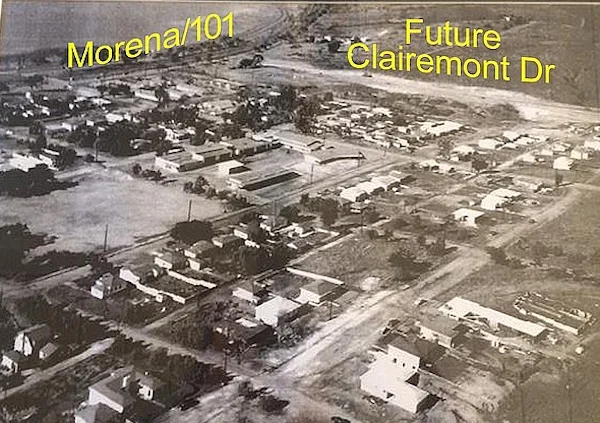
There’s a piece of road history here, too. Morena Boulevard, Bay Park’s main drag (albeit a bumpy one lately), was once the four-lane U.S. Highway 101. It was the original route into San Diego until Interstate 5 took over in 1964. In 2017, signs were posted designating the road as part of the former 101.
Clairemont was the first of its kind in the nation
When developers Carlos Tavares and Lou Burgener started building in 1950, they created the nation’s first master-planned single-family community. Families began moving in by May 1951, and Tavares named the whole place after his wife, Claire.

What made it special wasn’t just the scale and intricate planning. It was the design. Instead of the typical grid of uniform blocks that defined most residential neighborhoods back then, Clairemont was built with winding streets, cul-de-sacs, and scenic view lots that took full advantage of our canyons and the bluffs overlooking Mission Bay. That’s why a drive through the older parts of Clairemont still feels a little different from anywhere else. It was designed that way on purpose, more than seventy years ago.
Movie stardom
Get stories like this one, straight to your inbox.
Plus local events, deals, and what's opening and closing around the neighborhood.
Join more than 3,000 of your neighbors who get our free weekly newsletter.
By the way, Clairemont High School alumni over the years have included Kris Jenner, Kendra Wilkinson, and Mark Hamill, a.k.a. Luke Skywalker himself.
Kearny Mesa started as a military camp
Long before the Convoy District became one of the best Asian food destinations in the country, this was Camp Kearny — a U.S. military base that operated from 1917 to 1946 and eventually became part of Marine Corps Air Station Miramar. Some say the name “Convoy Street” itself may trace back to those days, when the roads here supported heavy military traffic and large motor convoys.

Do you own or help run a small business in town?
The first Asian businesses arrived on Convoy in 1979, when a Woo Chee Chong grocery store and the Korean market chain Zion both opened. Those early shops were the anchors, and the rest grew up around them into the bustling district we know now.
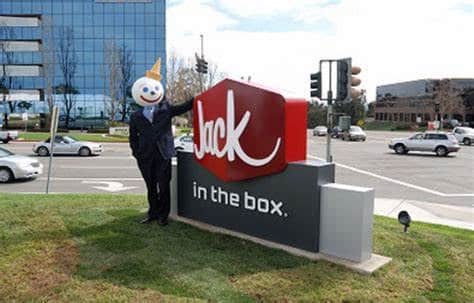
Fast-food giant Jack in the Box put down its original headquarters roots in Kearny Mesa, occupying the space on Balboa Avenue for 75 years before downsizing and moving to Spectrum Center Boulevard several years ago.
Linda Vista helped invent the modern shopping center
Linda Vista has a place in retail history that often gets overlooked. It was home to one of the nation’s first shopping centers, dedicated in 1942 by none other than First Lady Eleanor Roosevelt.
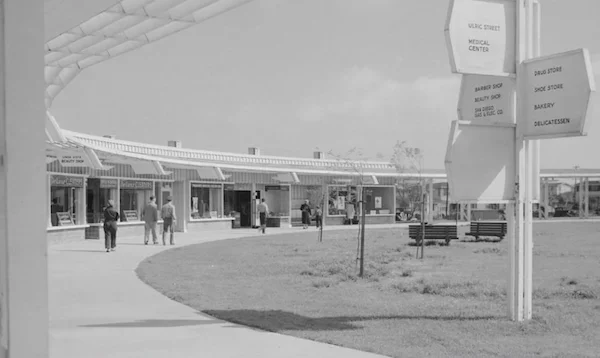
The shopping center existed because the neighborhood sprang up almost overnight. Linda Vista was the largest U.S. defense housing project of World War II, with 3,000 homes built in under a year to house aircraft workers and their families. A whole community and one of the country’s earliest shopping centers to serve it was built at wartime speed.
Serra Mesa settled a marital dispute with a street name
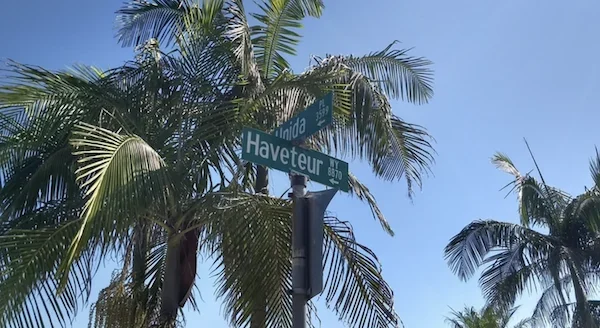
As local lore has it, one of the builders of Serra Mesa’s neighborhood got into a disagreement with his wife over what to name a street. He finally threw up his hands and settled on Haveteur Way, or have it your way. It’s still there today, a tiny nod to a compromise between man and wife.
Even the Serra Mesa name came from a friendly competition. In June 1961, a community council held a contest to name the area, and a local resident, Mrs. John Dowling, won with the suggestion “Serra Mesa.” She won a whopping $25 savings bond and a $10 gift certificate, but also the legacy of a neighborhood name.
Got a piece of local history we missed? We’d love to hear it. Drop a comment. Half the fun is in the stories you all share.






Hi, I grew up in Kearny Mesa and then Linda Vista after being displaced by the 805 freeway project. I was already aware of many of these facts. The late Marty Smith married Nancy Sauer who lived on Ashford Street. She was my childhood friend Jackie’s little sister. May Marty and Nancy rest in peace. Also,Cleavon Little, a 1957 graduate of Kearny HS, as was I in ’73, played Burt in the 1974 Mel Brooks comedy, Blazing Saddles. He passed in 1992. I’m enjoying reminiscing about the past and learning new things about the part of SD I call home.
Yes, the passing of Marty and Nancy was so sad. I remember as a kid when they built their house and it was so cool back in the day. My brother knew Marty pretty well.