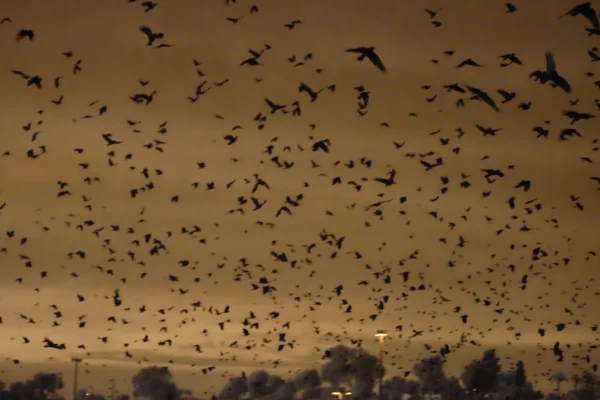

If you’ve thought it seems like San Diego has more crows than you remember there being when you were younger, you’re not wrong. Especially where we are, not far from the coast. Like coyotes, crows have proliferated in San Diego’s urban areas over the past several decades.
To paint a picture, one part of San Diego had a crow population of six in 1985. By 2011, it jumped to nearly 5,500.
Crows, like coyotes, are opportunistic, predatory, and highly intelligent, so they go where the food is. Oftentimes, that’s near garbage bins and pet food left outside. Crows also see another growing San Diego population as a tasty food choice—squirrels.







When it comes down to it, the surge in these various animal populations across our San Diego neighborhoods shares a common thread. Humans. Many of us love cute critters, so we may willingly offer wild animals food, even cajoling some of them to eat from our hands.

Over time, some of these wild animals become less fearful. Dropped guards and abundant food sources create the perfect breeding ground for some of these animals to explode in population. And crows are here for it.
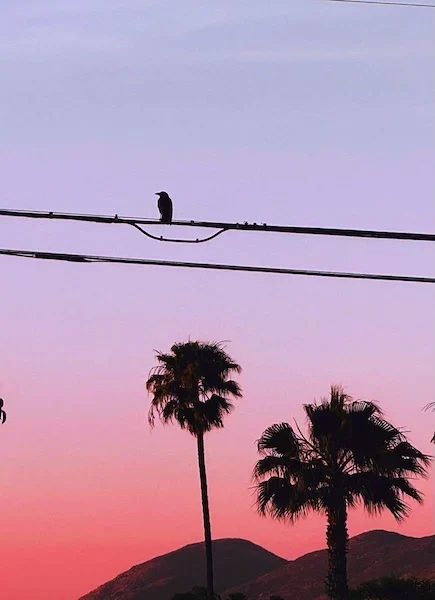
It’s not unusual to see a flock of crows, known as a murder, poking around your lawn or perched on the still-standing power lines across our neighborhoods. Plus, the nearby canyons of Clairemont and Serra Mesa are home to rabbits and squirrels that crows like to prey upon.
Who is the San Diego Crow?
The American Crow is the crow species you’ll see in San Diego. They were rarely seen south of North County or east of El Cajon until the mid 1980s. Like many non-natives who visit San Diego, they decided to stick around after they got a taste of our great climate and topography. San Diego crows don’t migrate anywhere in the winter since we already have a mild climate.
Crow Features
You’ve likely heard the “caw-caw” sounds of crows, which easily distinguishes them from the deeper croaking sound ravens make. Crows range from 16 to 21 inches in length with wingspans up to 39 inches. They are all black with sleek, smooth feathers and a flat, fan-shaped tail. When flying, crows tend to flap their wings frequently, while their raven counterparts are more prone to gliding.
Crow Intelligence
Relative to body size, crows have larger brains than most birds. They have an uncanny ability to remember where food is (which is why they’ll return to your home if you leave food out for them). They can also easily recognize flock members. If you have a friendly dog, they’ll remember it and perhaps return to visit.
It is said that crows have intelligence similar to that of a seven-year-old child, with the ability to reason and analogize. They are crafty and can use tools to get food.

Do you own or help run a small business in town?
Get stories like this one, straight to your inbox.
Plus local events, deals, and what's opening and closing around the neighborhood.
Join more than 3,000 of your neighbors who get our free weekly newsletter.
We often hear about elephants’ memory, but crows’ memory rivals that of elephants. Crows are known to hold grudges against people who have wronged them.
Crow Behaviors
Crows typically mate for life and stay together as families. They are communal creatures, living in flocks of up to 15 other birds, often relatives. Offspring continue to live with their parents, and they all work together to raise future generations.
While crows mate for life, it doesn’t mean they are faithful. Or perhaps they have open relationship agreements. It’s not unusual for paired mates to copulate outside of their relationship.
Crow Diet
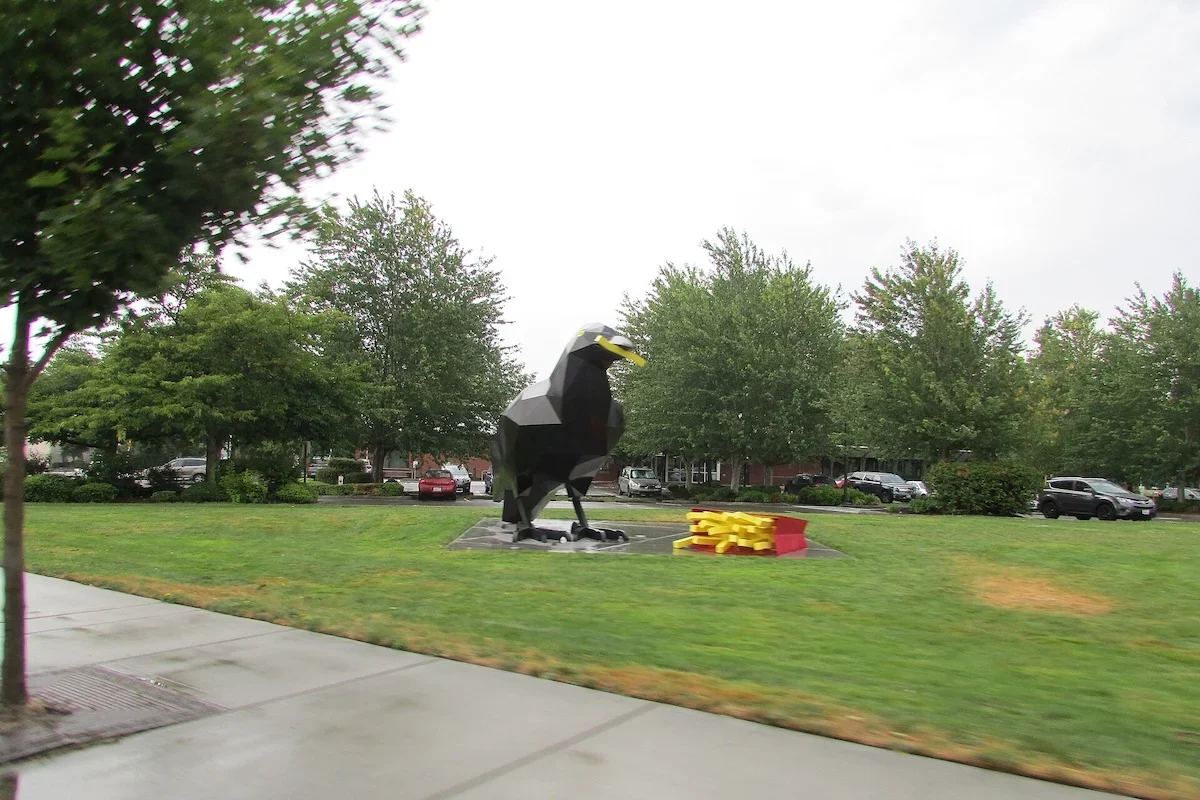
Crows aren’t picky. They’ll eat anything from spiders and beetles to McDonald’s French fries. Much of the urban crow diet is a result of human behavior.
Easy access to foods we eat, such as French fries, leads to high cholesterol. But interestingly, the deleterious effects of cholesterol on humans don’t seem to affect crows. It might even contribute to their proliferation.
And while squirrels and rabbits are part of their food chain, crows prefer the roadkill kind. Roadkill lets crows be lazy. Plus, crows find it difficult to pierce the hide of squirrels, making it more difficult for them to kill and eat.
Crow Life Span
Crows reproduce when they are approximately two to four years old. Crows live for roughly seven years, if they even make it past their first year of life, when more than 50% die.
Concerns
While crows rarely attack humans, there are other dangers. They are known to carry diseases such as West Nile virus, which was discovered in a dead crow in Clairemont in 2024. More recently, two crows in Rolando and Skyline were found to be infected with the virus.
The San Diego American Crow can be considered both majestic by some and a nuisance by others. Whatever camp you place them in, they are likely here to stay.
















I’ve lived in west clairemont (bay ho) for 46 years and it does seem to me that the crow population began to increase in the 80’s/90’s. Living on a canyon I see murders of them frequently gliding and cawing over the neighborhood.
I’m in the Mt Streets and see a ton!
Bravo! When a murder settles nearby, I clap loudly to encourage the departure of what I consider to be “flying rats”.